

N
noname223
Archangel
- Aug 18, 2020
- 6,759
There is even a wikipedia artcile about the everything bubble. I think though it can also be applied to the current state of the economy.
 en.wikipedia.org
What is your bet? I am hoping for gold ans silver even though I know there are risks. Diversification is the most important thing. But if everything is overvalued is cash the best thing one can do? Like Buffett. Okay I think not all of us is a billionaire investor except maybe @DarkRange55
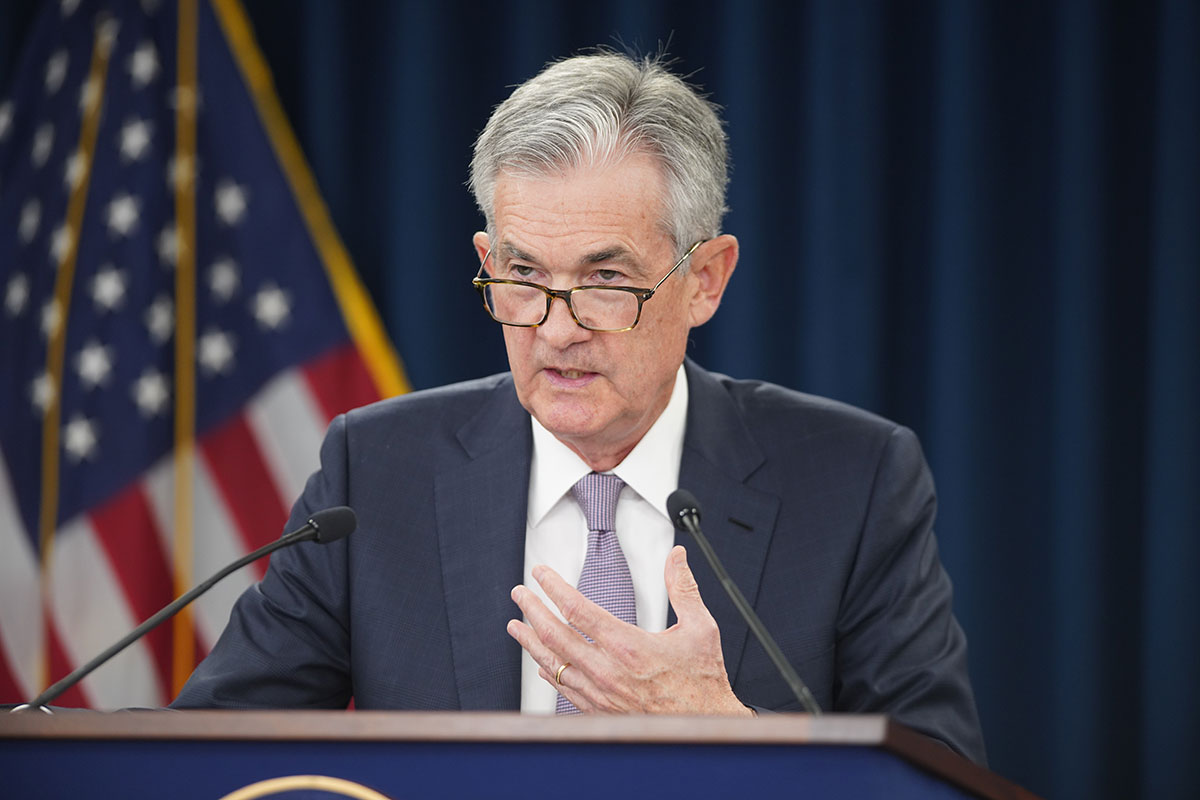
The "everything bubble" refers to the impact on the values of asset prices, including equities, real estate, bonds, many commodities, and cryptocurrencies, due to quantitative easing by the Federal Reserve, European Central Bank, and the Bank of Japan.[3] The policy itself and the techniques of direct and indirect methods of quantitative easing used to execute it are sometimes referred to as the Central bank put.[4] The term "everything bubble" first came in use during the chair of Janet Yellen, but it is most associated with the quantitative easing during the COVID-19 pandemic by Jerome Powell.[3][5]
The everything bubble notably occurred despite the COVID-19 recession, the China–United States trade war, and political turmoil – leading to a realization that the bubble was a central bank creation,[3][6][7] with concerns on the independence and integrity of market pricing,[8][7][9] and on the Fed's impact on wealth inequality.[10][11][12]
In 2022, financial historian Edward Chancellor said "central banks' unsustainable policies have created an 'everything bubble', leaving the global economy with an inflation 'hangover'".[13] Rising inflation did ultimately force the Fed to tighten financial conditions during 2022 (i.e. raising interest rates and employing quantitative tightening), and in June 2022, The Wall Street Journal wrote that the Fed had "pricked the Everything Bubble".[14] In the same month, financial journalist Rana Foroohar told The New York Times, "Welcome to the End of the 'Everything Bubble'".[15] An article in The Guardian in October 2022 said that "In recent months, it has become clear that the "everything bubble" is over, pricked by the tightening of policy by central banks in response to higher inflation".[16] An article in The Economist in July 2023 noted that the everything bubble popped in 2022 but that asset prices were once again resilient.[17]

 www.cgaa.org
The Everything Bubble is a complex phenomenon that has been making headlines in recent years. It's a situation where asset prices, including stocks, bonds, and real estate, have become detached from their underlying values.
The causes of the Everything Bubble are multifaceted, but one key factor is the massive amount of money injected into the global economy through quantitative easing and other monetary policies. This has created a surge in demand for assets, driving up prices and fueling speculation.
The consequences of the Everything Bubble are far-reaching and potentially disastrous. If the bubble were to burst, it could lead to a sharp decline in asset values, triggering a global recession.
Asset prices have soared over the past few years, despite severe inflation and sluggish economic growth, thanks to overspeculation, excess liquidity, and persistent near-zero interest rates.
Some analysts, like Burry and Summers, believe that the Fed's prolonged ultra-low interest rates and quantitative easing have inflated asset prices to unsustainable levels.
Unemployment rates are low, corporate earnings are high, and consumer confidence levels aren't so bad, which may justify some of the current valuations.
However, experts note that while property values on the coasts may be overvalued, others may be undervalued, such as cities in the Midwest and other regions.
Decades of easy-money policies, massive money printing, and rampant speculation will eventually have consequences.
Rising unemployment, furloughing of staff, reduced mobility, and economic activity during pandemic lockdowns have led to a surge in household savings. This is evident in the massive rise in savings, with Oxford Economics estimating a $1.6 trillion increase in US savings and Eurozone households adding €470 billion.
The global pool of excess savings may now have reached $5.4 trillion, roughly 6% of global GDP, according to Moody's estimates.
The everything bubble is a complex phenomenon, and understanding what caused it is crucial to grasping its implications. The combination of factors that created the perfect storm of economic circumstances is the primary cause.
Low interest rates and quantitative easing policies have fueled the bubble by making it easier for people to borrow money and invest in assets. This has led to a surge in asset prices, creating a sense of euphoria among investors.
Government policies, such as stimulus packages and tax cuts, have also contributed to the bubble by injecting money into the economy and boosting consumer spending. The resulting increase in demand has driven up prices for assets, such as stocks and real estate.
The everything bubble is not just a product of economic policies; it's also been fueled by speculation and greed. People are investing in assets not just because they expect to make a profit, but also because they want to keep up with the Joneses and avoid missing out on potential gains.
The bubble has been further fueled by the rapid growth of the digital economy and the rise of new technologies, such as cryptocurrencies and e-commerce platforms. These innovations have created new opportunities for investment and speculation, drawing in more and more people to the market.
Rampant speculation has fueled the everything bubble, driving a boom across nearly all investment classes. This includes stocks, real estate, SPACs, cryptocurrencies, and NFTs.
Market speculation, rather than fundamentals, drives a growing share of trading in assets like stocks and housing. An influx of cheap capital into speculative investments has fueled this boom.
A large-scale burst could trigger massive bank losses, disrupting credit markets and causing extensive unemployment. This is especially true for industries closely tied to the assets in the bubble.
Rapidly rising tech stocks and stalling housing prices are warning signs of unsustainable growth. These trends could lead to a correction that's painful and lasting.
Unprecedented monetary policies from central banks have almost certainly led to inflated asset prices. This correction could be long-lasting, making it essential to prepare for the worst.
The Everything Bubble is a complex phenomenon that requires a thoughtful and multi-faceted approach to address.
As we've discussed, the Bubble is fueled by speculation and a sense of urgency, leading to a rapid escalation of prices and a widening of the wealth gap.
Investors are often caught up in the hype, pouring money into assets that seem to be on an unstoppable rise.
The Bubble's response to external shocks is particularly noteworthy, as it tends to amplify and prolong the effects of any downturn.
This is evident in the article's discussion of the 2008 financial crisis, where the Bubble's collapse led to a global economic downturn.
The Everything Bubble's tendency to amplify external shocks makes it particularly vulnerable to disruptions in the global economy.
A key challenge in responding to the Bubble is recognizing its impact on different sectors and assets, as the article highlights the varying effects of the Bubble on stocks, real estate, and cryptocurrencies.
By understanding these nuances, investors and policymakers can develop more targeted and effective strategies for addressing the Bubble's consequences.
I think the text is older and was written before AI chatbots became popular. One essential question is whether implementing AI actually can lead to an increase in productivity. There are some newer studies that say yes they can. And they already do this in some countries up to 4%. This isn't as high as many optimists hoped for. But not as low as some pessimists predicted.
The term "everything bubble" is not used by scholars frequently though. It is more of a powerful media narrative.
Everything bubble - Wikipedia
What is your bet? I am hoping for gold ans silver even though I know there are risks. Diversification is the most important thing. But if everything is overvalued is cash the best thing one can do? Like Buffett. Okay I think not all of us is a billionaire investor except maybe @DarkRange55
The "everything bubble" refers to the impact on the values of asset prices, including equities, real estate, bonds, many commodities, and cryptocurrencies, due to quantitative easing by the Federal Reserve, European Central Bank, and the Bank of Japan.[3] The policy itself and the techniques of direct and indirect methods of quantitative easing used to execute it are sometimes referred to as the Central bank put.[4] The term "everything bubble" first came in use during the chair of Janet Yellen, but it is most associated with the quantitative easing during the COVID-19 pandemic by Jerome Powell.[3][5]
The everything bubble notably occurred despite the COVID-19 recession, the China–United States trade war, and political turmoil – leading to a realization that the bubble was a central bank creation,[3][6][7] with concerns on the independence and integrity of market pricing,[8][7][9] and on the Fed's impact on wealth inequality.[10][11][12]
In 2022, financial historian Edward Chancellor said "central banks' unsustainable policies have created an 'everything bubble', leaving the global economy with an inflation 'hangover'".[13] Rising inflation did ultimately force the Fed to tighten financial conditions during 2022 (i.e. raising interest rates and employing quantitative tightening), and in June 2022, The Wall Street Journal wrote that the Fed had "pricked the Everything Bubble".[14] In the same month, financial journalist Rana Foroohar told The New York Times, "Welcome to the End of the 'Everything Bubble'".[15] An article in The Guardian in October 2022 said that "In recent months, it has become clear that the "everything bubble" is over, pricked by the tightening of policy by central banks in response to higher inflation".[16] An article in The Economist in July 2023 noted that the everything bubble popped in 2022 but that asset prices were once again resilient.[17]
Understanding the Everything Bubble: Causes and Consequences
Exploring the Everything bubble: causes, consequences, and what's at stake in this global economic phenomenon.
The Everything Bubble: Causes and Consequences Explained
The Everything Bubble is a complex phenomenon that has been making headlines in recent years. It's a situation where asset prices, including stocks, bonds, and real estate, have become detached from their underlying values.
The causes of the Everything Bubble are multifaceted, but one key factor is the massive amount of money injected into the global economy through quantitative easing and other monetary policies. This has created a surge in demand for assets, driving up prices and fueling speculation.
The consequences of the Everything Bubble are far-reaching and potentially disastrous. If the bubble were to burst, it could lead to a sharp decline in asset values, triggering a global recession.
What's the Bubble?
The everything bubble is a broad pattern of overvaluation across asset classes, economic sectors, and geographic regions.Asset prices have soared over the past few years, despite severe inflation and sluggish economic growth, thanks to overspeculation, excess liquidity, and persistent near-zero interest rates.
Some analysts, like Burry and Summers, believe that the Fed's prolonged ultra-low interest rates and quantitative easing have inflated asset prices to unsustainable levels.
Unemployment rates are low, corporate earnings are high, and consumer confidence levels aren't so bad, which may justify some of the current valuations.
However, experts note that while property values on the coasts may be overvalued, others may be undervalued, such as cities in the Midwest and other regions.
Decades of easy-money policies, massive money printing, and rampant speculation will eventually have consequences.
Causes and Factors
The everything bubble is a complex phenomenon, and understanding its causes is crucial to grasping its implications. A combination of factors has created a perfect storm of economic circumstances.Rising unemployment, furloughing of staff, reduced mobility, and economic activity during pandemic lockdowns have led to a surge in household savings. This is evident in the massive rise in savings, with Oxford Economics estimating a $1.6 trillion increase in US savings and Eurozone households adding €470 billion.
The global pool of excess savings may now have reached $5.4 trillion, roughly 6% of global GDP, according to Moody's estimates.
The everything bubble is a complex phenomenon, and understanding what caused it is crucial to grasping its implications. The combination of factors that created the perfect storm of economic circumstances is the primary cause.
Low interest rates and quantitative easing policies have fueled the bubble by making it easier for people to borrow money and invest in assets. This has led to a surge in asset prices, creating a sense of euphoria among investors.
Government policies, such as stimulus packages and tax cuts, have also contributed to the bubble by injecting money into the economy and boosting consumer spending. The resulting increase in demand has driven up prices for assets, such as stocks and real estate.
The everything bubble is not just a product of economic policies; it's also been fueled by speculation and greed. People are investing in assets not just because they expect to make a profit, but also because they want to keep up with the Joneses and avoid missing out on potential gains.
The bubble has been further fueled by the rapid growth of the digital economy and the rise of new technologies, such as cryptocurrencies and e-commerce platforms. These innovations have created new opportunities for investment and speculation, drawing in more and more people to the market.
Rampant speculation has fueled the everything bubble, driving a boom across nearly all investment classes. This includes stocks, real estate, SPACs, cryptocurrencies, and NFTs.
Market speculation, rather than fundamentals, drives a growing share of trading in assets like stocks and housing. An influx of cheap capital into speculative investments has fueled this boom.
Consequences and Preparations
The consequences of an everything bubble burst are dire and long-lasting. Declining household wealth, reduced spending, and slower economic growth are likely outcomes.A large-scale burst could trigger massive bank losses, disrupting credit markets and causing extensive unemployment. This is especially true for industries closely tied to the assets in the bubble.
Rapidly rising tech stocks and stalling housing prices are warning signs of unsustainable growth. These trends could lead to a correction that's painful and lasting.
Unprecedented monetary policies from central banks have almost certainly led to inflated asset prices. This correction could be long-lasting, making it essential to prepare for the worst.
The Everything Bubble is a complex phenomenon that requires a thoughtful and multi-faceted approach to address.
As we've discussed, the Bubble is fueled by speculation and a sense of urgency, leading to a rapid escalation of prices and a widening of the wealth gap.
Investors are often caught up in the hype, pouring money into assets that seem to be on an unstoppable rise.
The Bubble's response to external shocks is particularly noteworthy, as it tends to amplify and prolong the effects of any downturn.
This is evident in the article's discussion of the 2008 financial crisis, where the Bubble's collapse led to a global economic downturn.
The Everything Bubble's tendency to amplify external shocks makes it particularly vulnerable to disruptions in the global economy.
A key challenge in responding to the Bubble is recognizing its impact on different sectors and assets, as the article highlights the varying effects of the Bubble on stocks, real estate, and cryptocurrencies.
By understanding these nuances, investors and policymakers can develop more targeted and effective strategies for addressing the Bubble's consequences.
I think the text is older and was written before AI chatbots became popular. One essential question is whether implementing AI actually can lead to an increase in productivity. There are some newer studies that say yes they can. And they already do this in some countries up to 4%. This isn't as high as many optimists hoped for. But not as low as some pessimists predicted.
The term "everything bubble" is not used by scholars frequently though. It is more of a powerful media narrative.


